
On-page SEO in Pakistan requires a strategy that combines universal best practices with a specific focus on local market trends and user behavior. The digital landscape in the country is constantly evolving, with increasing mobile and voice search usage, making a robust and adaptable on-page approach essential for success. The core goal remains to make your content extremely relevant and user-friendly for both search engines and the Pakistani audience.
Optimizing Your Website for Top On-Page SEO in Pakistan
The Foundation of Local Relevance and Intent
The most crucial step is to deeply understand the search intent of the Pakistani user. This means moving beyond generic terms and focusing on commercial, transactional, and informational keywords that are popular within Pakistan’s major cities and smaller towns. Local SEO has become a powerful tool, particularly the rise of “near me” searches, which drive high-converting traffic to local businesses.
Your entire content strategy must match what the user truly wants. If the query is commercial, your page must be a product or service page with clear calls-to-action. If the query is informational, a comprehensive guide or blog post is required. For businesses targeting local customers, optimizing your Google Business Profile (GBP) is an on-page priority. This includes ensuring consistent Name, Address, and Phone (NAP) information across your site and your GBP, along with actively managing reviews and posting regular updates.
Content Quality and E-E-A-T
The quality and depth of your content are paramount. Google’s focus on E-E-A-T (Experience, Expertise, Authoritativeness, and Trustworthiness) dictates that you must produce high-quality, fact-based content. This is especially important for financial and health-related websites. You should demonstrate your subject matter expertise and build trust by citing reputable sources, showcasing author credentials, and including user testimonials or reviews directly on the page.
Aim for unique and in-depth content that addresses the user’s query comprehensively. Use supporting content formats like FAQs, comparisons, and real-world use cases to satisfy all possible related questions. While word count is not a direct ranking factor, longer, more thorough content often performs better by covering a topic completely.
Technical On-Page Structure and User Experience
Excellent on-page optimization is heavily dependent on a strong technical foundation that ensures a superior user experience. This begins with optimizing for mobile devices, which account for a massive share of search traffic in Pakistan. Your website must use a responsive design and load exceptionally fast on mobile networks.
Core Web Vitals—metrics like Largest Contentful Paint (LCP), First Input Delay (FID), and Cumulative Layout Shift (CLS)—are critical ranking signals. You must ensure quick page loading speeds by compressing images without losing quality, using fast hosting, and minimizing render-blocking resources. Furthermore, organize your content logically using clear heading tags, following a proper hierarchy from H1 (your main title) to H2s and H3s.
Essential HTML and Media Elements
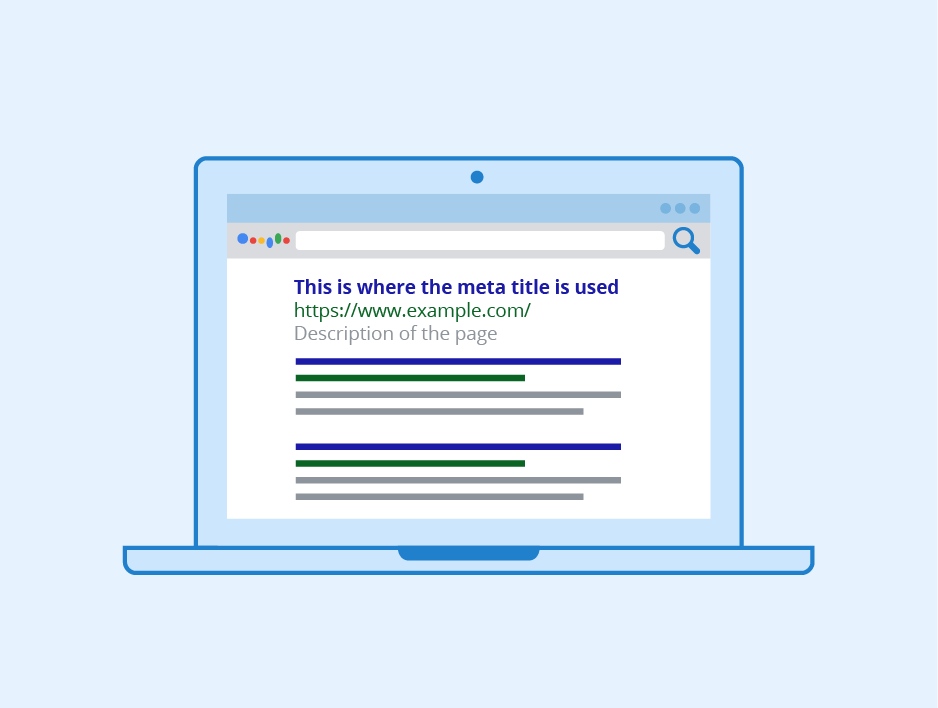
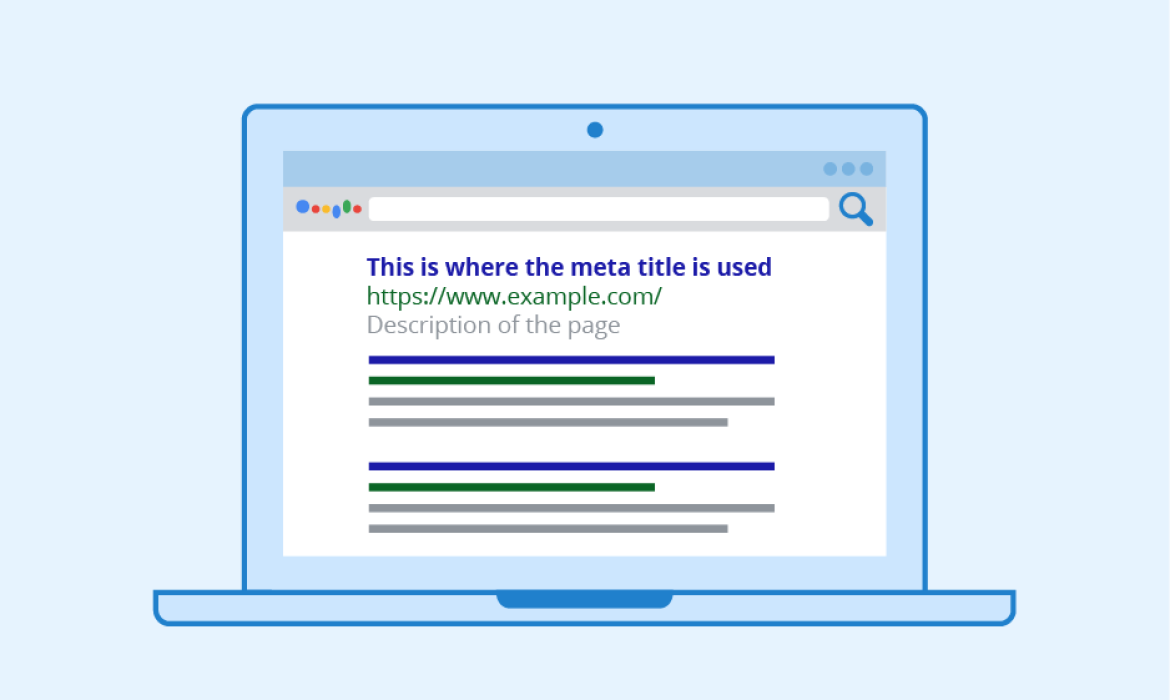
The best practice on-page checklist includes meticulous attention to standard HTML elements. Craft compelling and keyword-focused Title Tags that remain under 60 characters for optimal display. Write unique Meta Descriptions that include a strong Call-to-Action (CTA) and your primary keyword, aiming for around 150-165 characters to maximize click-through rate.
Every image on your site must be optimized. Use descriptive, keyword-rich file names, implement descriptive Alt Text for accessibility and SEO, and compress all images to reduce page size. Finally, leverage Structured Data (Schema Markup) to help search engines better understand your content, potentially earning valuable rich snippets like star ratings or product information on the Search Engine Results Page (SERP). This is particularly effective for businesses in the e-commerce and local services sectors in Pakistan.
Read also about SEO friendly web development.


